
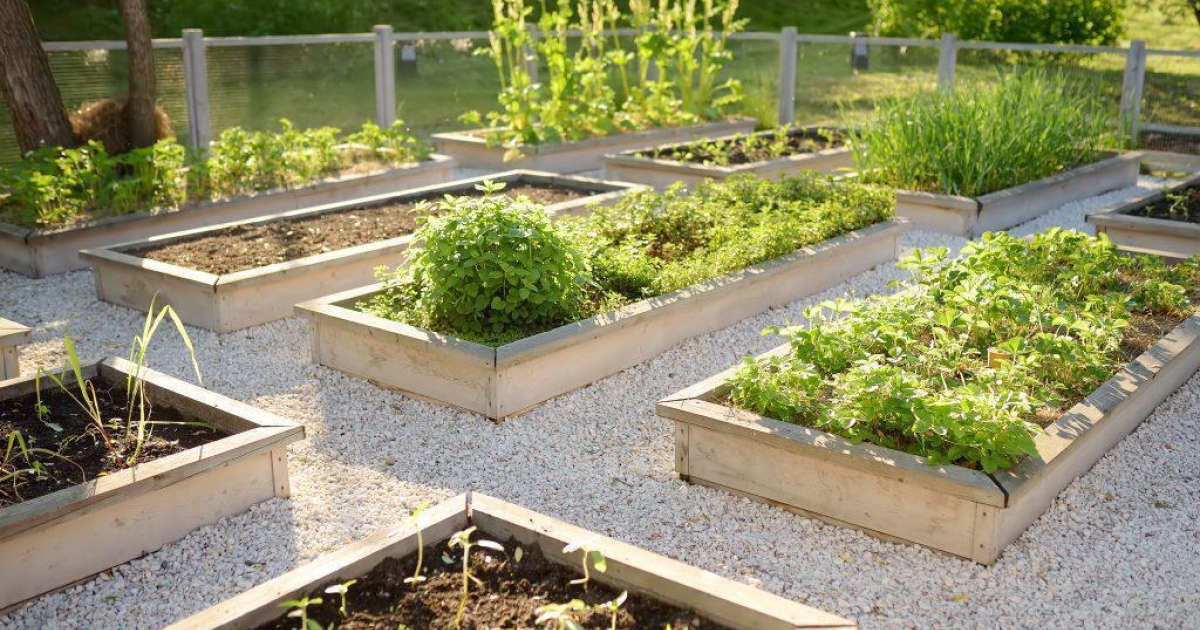
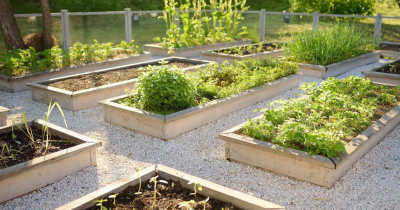
A raised bed garden is one of the easiest ways for beginners to start growing vegetables, herbs, and flowers at home.
How To Start A Raised Bed Garden For Beginners
By
maks in
Home and Garden
Published On 19th April 2026
Why raised beds are such a good place to start
Raised bed gardening is one of the most beginner-friendly ways to grow plants at home because it gives you more control over the things that usually cause problems at the start. Instead of battling poor soil, awkward layout, or bad drainage, you can create a smaller space that is easier to manage and easier to understand as you learn. The University of Minnesota Extension notes that raised beds can make gardening possible in places where a traditional in-ground garden may not work well, including wet areas, patios, and places where access matters more.
Pexels
That is a big reason raised beds work so well for new gardeners. A beginner does not need a huge plot to learn how soil, watering, sun, and spacing work. One well-planned raised bed can teach almost everything needed for a larger garden later on, but without the same level of mess, expense, or confusion.
They also make routine work feel more manageable. Weeding, checking the soil, harvesting, and adding compost are all simpler when the growing area is clearly defined. Instead of trying to control a whole yard, you are looking after a small, intentional space that you can actually keep up with week after week.
Pick the right spot before you build anything
The best raised bed in the world will still struggle if it is placed in the wrong location. Most vegetables and many herbs need a lot of direct sunlight, so the first job is to find the sunniest practical place you have. The University of Minnesota Extension guide on tomatoes explains that heat-loving vegetables do best in full sun, and that same basic rule applies to most common edible garden crops.
When choosing the location, think beyond sunlight alone. You should also ask how easy it will be to get water to the bed, how close it is to the house, and whether you will actually want to walk out and check it often. A bed hidden in the farthest, least convenient corner of the yard may get good light, but it is more likely to be ignored once daily life gets busy. Convenience matters more than people think.
It is also smart to start with one bed in one good location instead of several beds spread across the yard. A single raised bed that gets good sun and is easy to reach is usually more productive than multiple beds that are awkward to maintain. Starting small is not a limitation. It is often what makes the first season successful.
Use the right size and do not overbuild it
One of the most common beginner mistakes is making the raised bed too large. Bigger feels better when you are planning, but large beds are harder to water, weed, and harvest if you cannot comfortably reach the middle from the sides. A manageable bed is usually better than an ambitious one because the whole point is to create a space that stays easy to work in.
The structure itself also does not need to be fancy. Many beginners lose time and money obsessing over perfect materials, expensive corners, or a complicated design before they have even grown their first tomato. The frame matters far less than the soil and the placement. If the bed is stable, safe, and holds soil well, that is enough to start.
Think of the raised bed as a tool, not a showpiece. It should make gardening easier, not turn into a woodworking project that delays planting for weeks. If your budget is limited, put more of it into good soil and healthy plants than into making the bed look impressive on day one.
Soil matters more than the frame
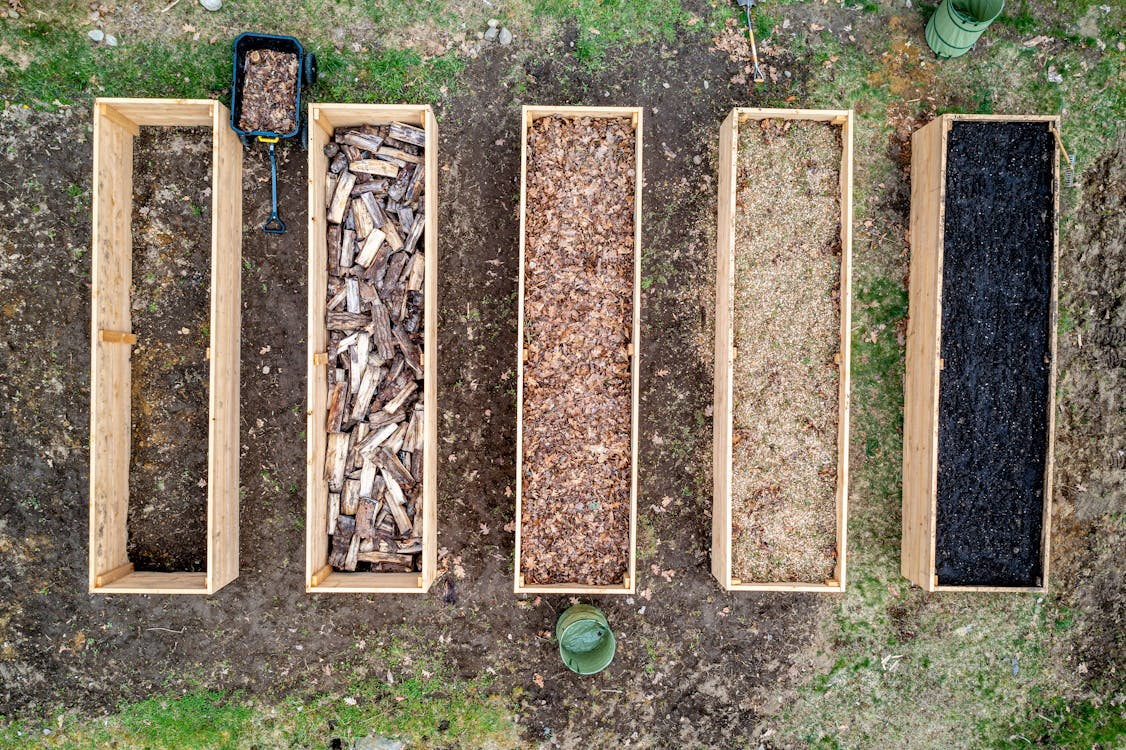
The biggest advantage of a raised bed is the chance to start with better soil. That matters because healthy soil is what drives healthy roots, steady moisture, and strong plant growth. The University of Minnesota Extension guide on mulch and soil health explains how practices that protect and support the soil improve moisture regulation, weed suppression, and organic matter. In a raised bed, you get to build that better soil environment from the start instead of trying to fix poor ground little by little.
A good raised bed soil mix should drain well without drying out too fast. It should feel loose enough for roots to move through easily, but still hold enough moisture that plants are not constantly stressed. This is why bad soil creates so many beginner problems. If the soil stays soggy, roots suffer. If it dries like dust after one sunny day, seedlings struggle. Good soil smooths out a lot of those extremes.
This is also why you should avoid filling a raised bed with random dirt from around the yard unless you already know it is high quality. It is better to start with a balanced garden mix and improve it gradually with compost each season. When beginners say raised beds did not work for them, poor soil is often the hidden reason.
Choose crops that make success easier
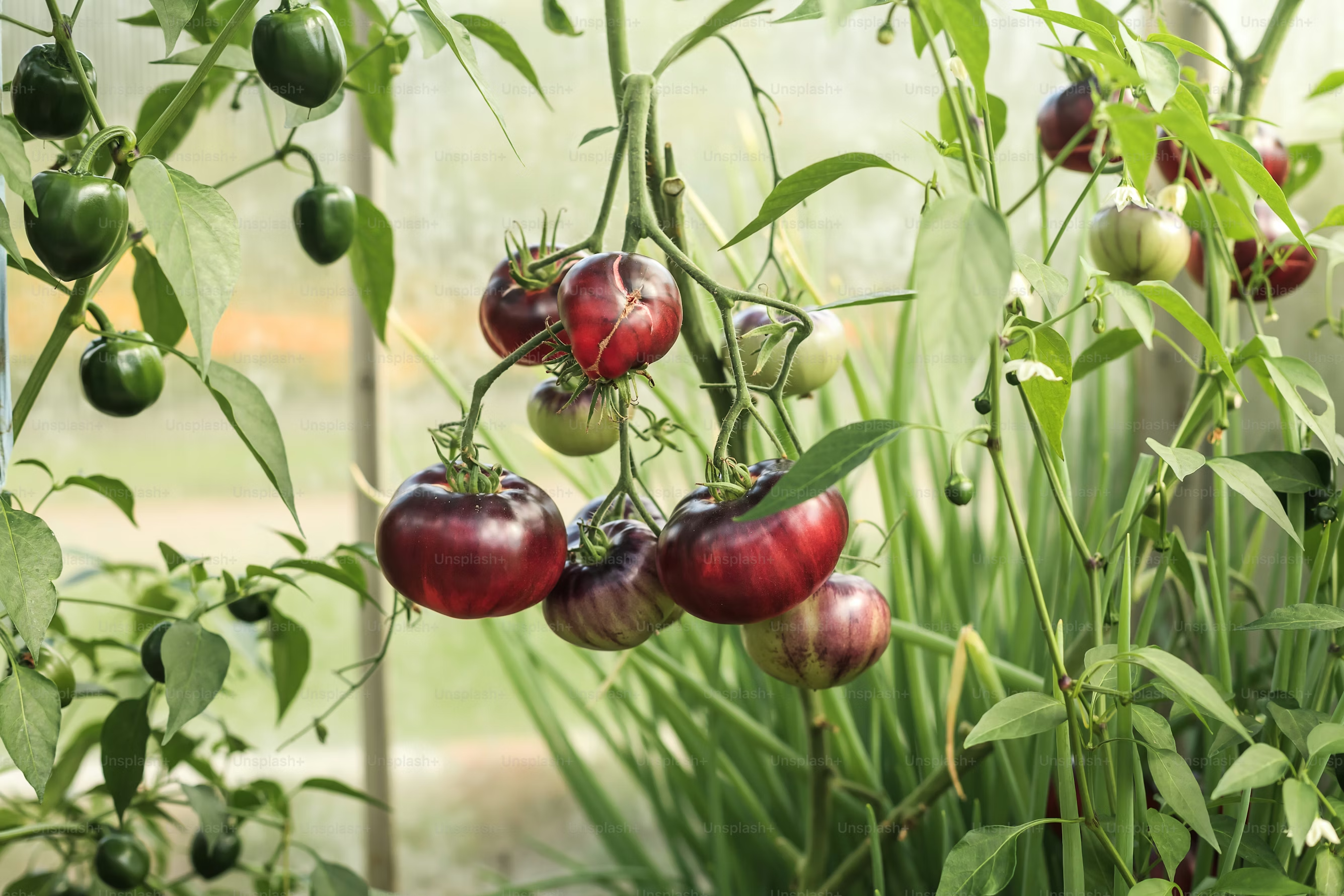
Your first raised bed should not try to grow everything. The goal of the first season is to build confidence, learn the rhythm of care, and get some easy wins. Crops like leafy greens, radishes, bush beans, herbs, and a few tomato or pepper plants are usually more forgiving than trying to manage a crowded bed filled with ten different crops that all need different spacing and support.
Pexels
If you want herbs, the University of Minnesota Extension herb guide notes that many common culinary herbs need at least six hours of direct sunlight and do not like heavy, wet soil. That makes them a great fit for raised beds, especially if you want plants that are useful, compact, and easy to harvest often. Basil, parsley, chives, and thyme are often easier for beginners than more demanding crops.
Try to pick plants you will actually eat or use. It sounds obvious, but many new gardeners grow what looks exciting rather than what fits their kitchen or routine. A bed full of vegetables no one in the house really wants is much harder to stay excited about than a small bed producing tomatoes, lettuce, herbs, and peppers that you will use every week.
Watering is where many beginners go wrong
Raised beds often dry out faster than in-ground gardens, which means watering needs more attention. The University of Minnesota Extension watering guide says it is nearly impossible to have a successful vegetable garden without watering and recommends checking whether the soil is dry about two inches below the surface before watering again. That is a much better method than watering on autopilot every day.
The key is to water deeply instead of lightly splashing the top. Shallow watering encourages shallow roots, and shallow roots dry out quickly in warm weather. A thorough soak helps roots grow downward where moisture lasts longer. If you are checking the bed and the soil below the surface still feels damp, wait a little longer. If it feels dry, water well.
Mulch can make this much easier. Extension guidance on mulching for soil and garden health explains that mulch helps regulate moisture and suppress weeds. In a raised bed, a light layer of mulch can reduce how often you need to water, help the soil stay more stable through heat, and cut down on the time spent pulling weeds by hand.
Seed starting, transplanting, and not rushing the season
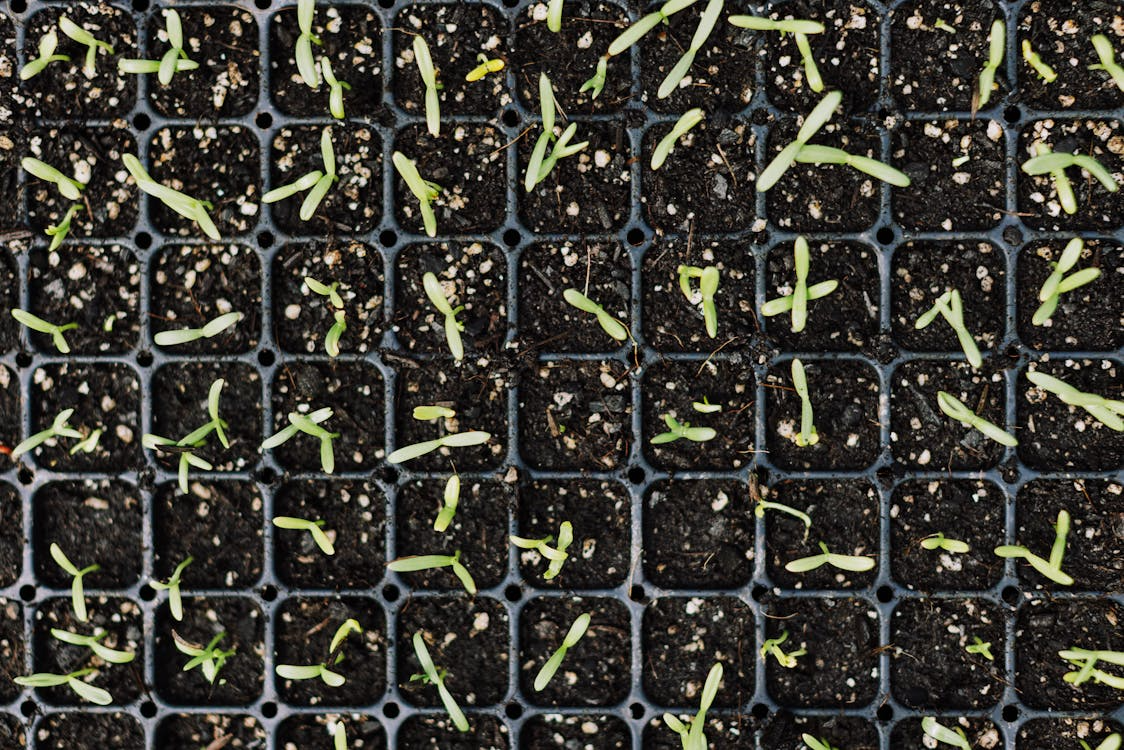
Many beginners want to start everything from seed right away, which can be a great option, but it is not always the easiest one. The University of Minnesota Extension guide to starting seeds indoors says indoor seed starting is a relatively inexpensive way to grow a wide range of plants and gives gardeners access to more varieties than buying started plants. That said, it also adds another learning curve, especially around light, timing, and transplant shock.
Pexels
A smart beginner mix is to buy a few strong starter plants for slower crops like tomatoes and peppers, then directly sow easier crops like beans, radishes, and lettuce. That gives you some early structure in the bed without making the whole garden depend on indoor seed-starting success. It also makes the season feel less fragile because not every plant has to survive the same path.
Do not rush planting just because the calendar says spring. Young plants put into cold soil too early often stall out, weaken, or die back. Raised beds can warm earlier than the ground in some places, but patience still matters. Waiting for the right conditions is usually better than planting early and spending weeks trying to rescue stressed plants.
A simple first-season routine that actually works
The easiest raised bed garden to maintain is the one built around a routine, not around bursts of panic. A simple pattern works best: check the bed a few times each week, look at the leaves, touch the soil, pull small weeds before they become large ones, and harvest often. Small actions done regularly are what keep a garden healthy.
You do not need to hover over the bed every day for an hour. Most of the time, a quick walk-through is enough to catch problems before they get bigger. This also helps you learn what normal looks like in your garden, which makes it much easier to notice when a plant is drying out, getting chewed up, or becoming overcrowded.
By the end of the first season, the real success is not whether every plant was perfect. It is whether you built a garden that felt manageable enough to keep going. If one raised bed teaches you how to choose a sunny spot, use better soil, water correctly, and grow a few crops well, then it has already done exactly what a first garden should do.
More In Home and Garden
Home and Garden
 How To Start A Raised Bed Garden For Beginners
A raised bed garden is one of the easiest ways for beginners to start growing vegetables, herbs, and...
Apr 19, 2026